contato@perfumeprosa.com

Introduction: The Invisible Power of Fragrance
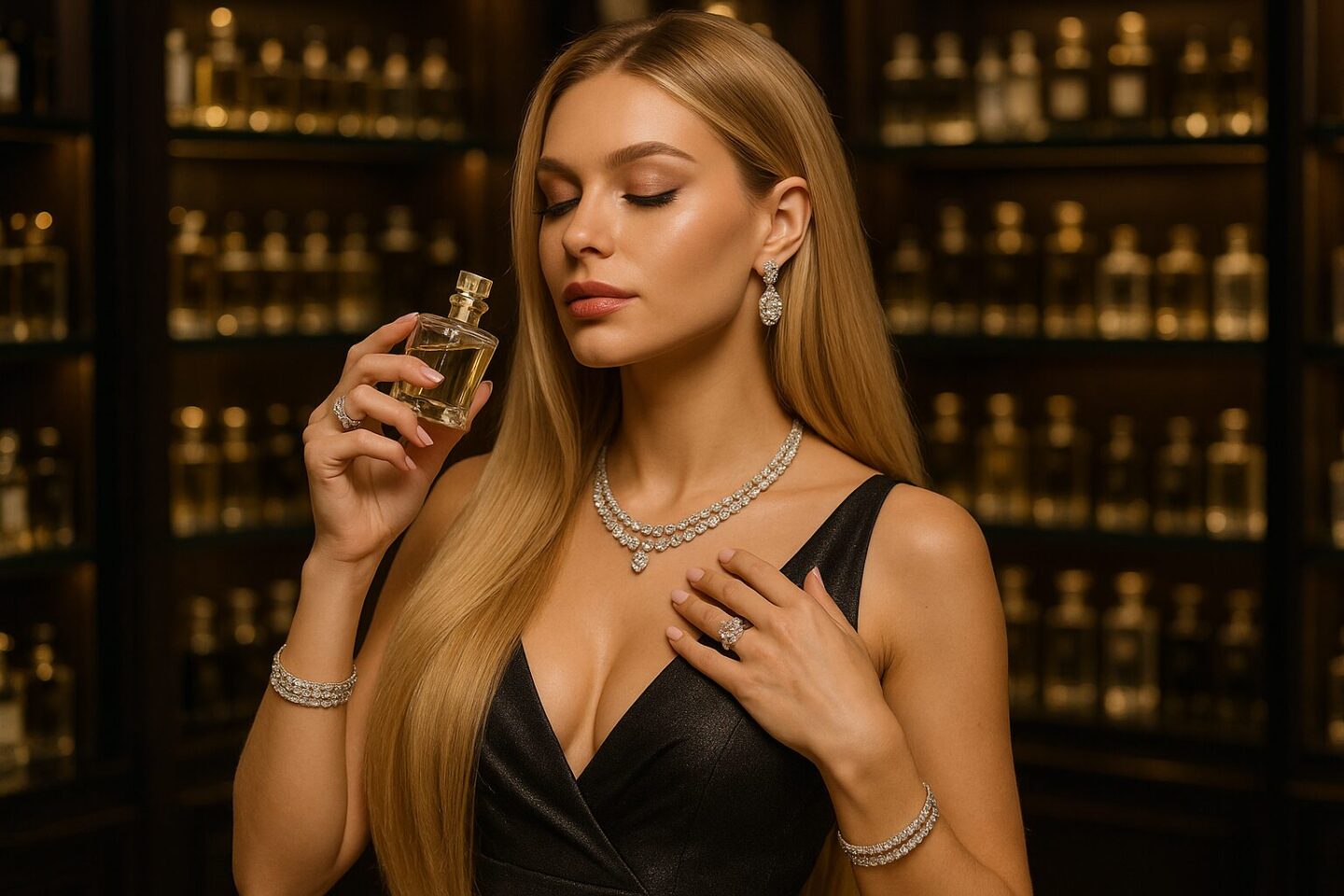
Have you ever caught a whiff of a particular scent and been instantly transported to a specific moment in your past? Perhaps the aroma of freshly baked cookies evokes childhood memories of your grandmother’s kitchen, or a certain floral perfume reminds you of a romantic evening. This remarkable connection between scent, memory, and emotion isn’t just poetic coincidence—it’s rooted in the very wiring of our brains.
The psychology of scent reveals how fragrances influence our emotional states, trigger vivid memories, and even shape our interactions with others. Unlike our other senses, smell has a direct pathway to the brain’s emotional centers, creating immediate and powerful responses that often operate beneath our conscious awareness .
In this comprehensive guide, we’ll explore the fascinating science behind how perfumes affect your mood and memory, practical ways to harness this power in your daily life, and why the fragrance industry is increasingly focused on emotional connections rather than just pleasant aromas.

The Neuroscience of Scent: How Your Brain Processes Fragrance
The Direct Pathway to Emotion
Our sense of smell, or olfaction, is uniquely wired in comparison to our other senses. When you inhale a fragrance, scent molecules travel through your nasal cavity to the olfactory bulb, which processes smells and sends signals directly to the brain’s limbic system .
The limbic system includes key structures such as:
- The amygdala, which processes emotions
- The hippocampus, which is central to memory formation
- The hypothalamus, which regulates emotional responses
This direct connection explains why scents can evoke such powerful emotional responses and vivid memories without first being filtered through the thalamus (which processes other sensory information) .
Brain Waves and Fragrance: What EEG Studies Reveal
Electrophysiological studies using electroencephalography (EEG) have shown that various fragrances significantly affect brain activity and cognitive functions. The EEG power spectrum is classified into different frequency bands, each associated with different states of consciousness:
| Brain Wave Type | Frequency Range | Associated States | Effects of Fragrance |
|---|---|---|---|
| Delta | 0.5-4 Hz | Deep sleep, healing | Some scents may enhance |
| Theta | 4-8 Hz | Meditation, creativity | Can be influenced by calming scents |
| Alpha | 8-13 Hz | Relaxed alertness | Increased by calming fragrances |
| Beta | 13-30 Hz | Active thinking, focus | Affected by stimulating scents |
| Gamma | 30-50 Hz | Higher processing | May be modulated by certain aromas |
Table: How different fragrance types affect brain waves based on EEG studies
Research has demonstrated that decreases in alpha and beta activities and increases in delta and theta activities are associated with brain pathology and general cognitive decline, suggesting that fragrance could play a role in maintaining cognitive health .
How Scents Influence Mood: The Emotional Impact of Fragrance
The Chemistry of Scent and Emotion
When fragrance molecules interact with olfactory receptors, they trigger the release of various neurotransmitters that regulate mood, including:
- Serotonin: Promotes feelings of well-being and happiness
- Dopamine: Enhances pleasure and reward sensations
- Endorphins: Natural pain relievers that create positive feelings
- Cortisol: Stress hormone that certain scents can reduce
This neurochemical response explains why certain fragrances can instantly uplift your spirits, calm your anxiety, or boost your confidence.
Mood-Enhancing Scents and Their Effects
Different fragrance families contain notes that influence mood in specific ways:
1. Citrus Scents (Lemon, Orange, Bergamot)
- Effects: Uplifting, energizing, positivity-boosting
- Mechanism: Increases serotonin levels
- Best for: Morning routines, combating afternoon fatigue
2. Lavender
- Effects: Promotes relaxation, reduces stress
- Mechanism: Reduces cortisol levels
- Best for: Evening wear, bedtime routines
3. Vanilla
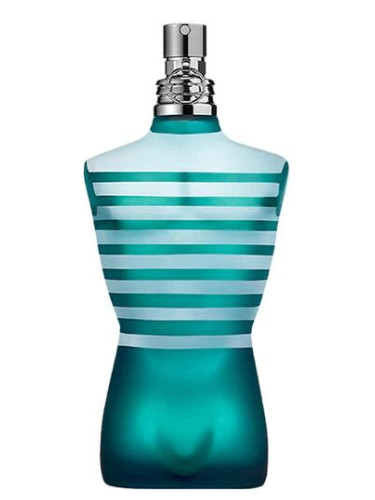
- Effects: Creates comfort, warmth, soothing feelings
- Mechanism: Associated with childhood memories and security
- Best for: Creating a cozy atmosphere, stress relief
4. Jasmine
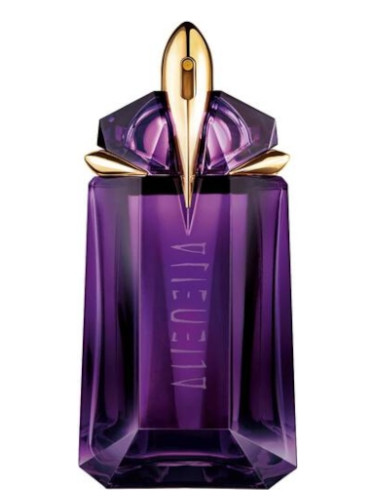
- Effects: Calming, reduces anxiety
- Mechanism: Promotes sense of well-being
- Best for: Romantic occasions, meditation
5. Woody Notes (Sandalwood, Cedarwood)
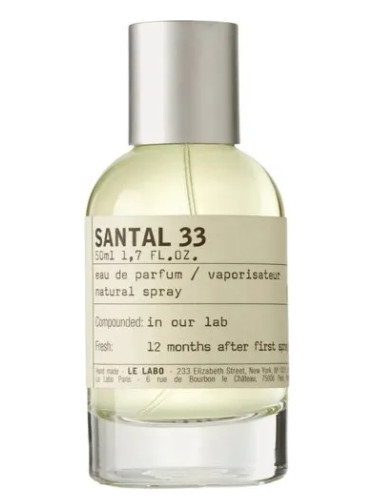
- Effects: Grounding, stability, connection to nature
- Mechanism: Evokes feelings of security and warmth
- Best for: Professional settings, mindfulness practices
6. Peppermint
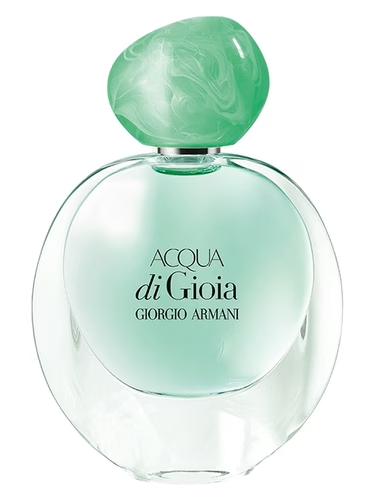
- Effects: Improves concentration, mental clarity
- Mechanism: Stimulating effect on brain function
- Best for: Work environments, study sessions
7. Rose
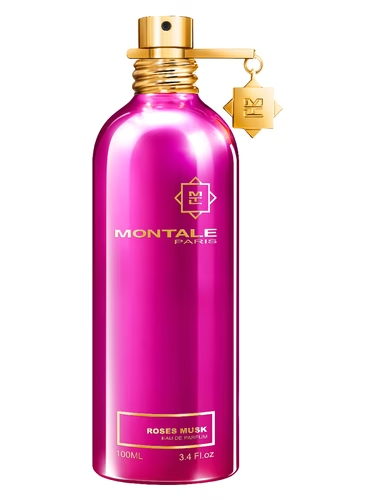
- Effects: Calming, reduces stress, promotes tranquility
- Mechanism: Associated with love and emotional safety
- Best for: Self-care rituals, emotional balance
Scent and Memory: The Proustian Phenomenon
Why Smell Triggers Vivid Memories
The phenomenon where scents trigger powerful autobiographical memories is often called the “Proustian effect,” named after French author Marcel Proust who famously described vivid childhood memories evoked by the scent of a madeleine cookie dipped in tea .
This occurs because the olfactory bulb has direct connections to both the amygdala (which processes emotion) and the hippocampus (which handles memory formation). This direct pathway means scent memories are often more vivid and emotionally charged than memories triggered by other senses .
Examples of Scent-Triggered Memories
- Freshly baked cookies may remind you of childhood family gatherings
- Jasmine or rose can evoke memories of loved ones or romantic moments
- Certain perfumes might bring back recollections of special events or people
- Salty ocean air might transport you to childhood vacations
- Old books might evoke memories of libraries or school days
The Science of Scent Memory
Research indicates that humans are 100 times more likely to remember something they smell over something they see, hear, or touch . Furthermore, studies show that the human capacity to retain information in memory is:
- 35% for information received through smell
- 5% for information received through sight
- 2% for information received through hearing
- 1% for information received through touch
This explains why brands increasingly use scent marketing to create lasting impressions with consumers—fragrance creates stronger and more enduring memories than any other sensory experience.
Practical Applications: Using Fragrance Intentionally
Strategies for Mood Enhancement
You can strategically use fragrance to improve your emotional well-being throughout the day:
- Morning Energy Boost: Apply citrus-based scents to increase alertness and positivity
- Workday Focus: Use peppermint or eucalyptus to enhance concentration
- Afternoon Slump: Reapply energizing scents to combat fatigue
- Evening Relaxation: Use lavender or chamomile to promote relaxation
- Sleep Preparation: Apply calming scents before bedtime to improve sleep quality
Techniques for Memory Improvement
Recent studies suggest that exposing yourself to certain scents during sleep can significantly enhance memory:
- Nightly exposure to fragrances like rose, lavender, or peppermint can improve memory by up to 226% in older adults
- Using essential oil diffusers during sleep is an effortless way to enhance cognitive function
- Associating specific scents with learning sessions can improve later recall when the same scent is present
Fragrance and Social Connections
Scents play a crucial role in attraction and social bonding on both conscious and subconscious levels:
- Our bodies naturally produce pheromones that influence attraction, but perfumes can amplify or mimic these effects
- People are often drawn to scents that align with their personalities or evoke positive associations
- A partner’s fragrance can become deeply ingrained in your memory, enhancing emotional bonds over time
The Future of Fragrance: Emotional Connections and Personalization
Current Trends in Perfumery
The fragrance industry is evolving toward greater emotional intelligence and personalization:
- Emo-Beauty Movement: Fragrances are increasingly marketed based on emotional benefits rather than just scent profiles
- Gender Fluidity: Searches for unisex fragrances have risen by 52.3% in 2025 as consumers move away from binary scent marketing
- Functional Fragrances: Scents designed specifically to support focus, calm, or energy are gaining traction
- Nostalgia-Driven Scents: Demand for comforting nostalgic scents has increased by over 30% as consumers seek emotional refuge
- Personalization: Scent quizzes tied to emotional traits are converting at higher rates than traditional recommendations
The Growing Importance of Scent in Wellness
Fragrance is increasingly recognized as a legitimate wellness tool:
- 80% of fragrance users associate scent with mood enhancement
- 78% of UK consumers believe fragrance enhances their mood
- 40% of consumers in certain markets believe fragrances enhance emotional well-being
- Fragrance is the fastest-growing category in prestige beauty, with a 12% increase in value during the first half of 2024 compared to 2023
🔥 Veja Também:
- Homem Identidad: A Nova Fragrância da Natura que Celebra a Força da Autenticidade Masculina
- Queen Of Arabia de Lattafa: A Baunilha Aveludada que Conquistou o Mundo
- My Devotion Eau de Parfum Intense: A promessa de amor próprio da Dolce&Gabbana envolta em um frasco rosa
- Perfumes para o Inverno: O Aconchego que Fica na Pele e na Memória
- Perfumes para Home Office: 7 Aromas que Aumentam o Foco e o Bem-estar
Choosing Your Signature Scent: A Practical Guide
Selecting Fragrances for Emotional Needs
When choosing a fragrance, consider how you want to feel rather than just what you want to smell like:
- For Confidence: Opt for woody notes like sandalwood or vetiver
- For Relaxation: Choose lavender, chamomile, or jasmine
- For Energy: Select citrus scents like lemon, orange, or grapefruit
- For Comfort: Vanilla, amber, or tonka bean provide warmth and security
- For Romance: Floral notes like rose, ylang-ylang, or neroli
Layering Scents for Emotional Balance
You can create more nuanced emotional effects by layering different fragrances:
- Combine citrus with vanilla for balanced emotional effects
- Pair floral notes with woody base notes for romantic yet grounded energy
- Experiment with different combinations to create your personalized emotional signature
Considering Cultural and Personal Associations
Remember that scent preferences are influenced by:
- Cultural background: Lavender might be relaxing in Europe but not have the same effect in Asia
- Personal memories: A scent that reminds one person of their grandmother might remind another of something completely different
- Individual biology: Each person’s olfactory receptors are unique, making scent perception highly individual
Conclusion: Harnessing the Transformative Power of Scent
The psychology of scent reveals that fragrance is far more than a cosmetic accessory—it’s a powerful tool that influences our emotions, memories, and behaviors through direct pathways to the brain’s emotional centers. By understanding how different scents affect your mood and cognitive functions, you can intentionally use fragrance to enhance your well-being, improve your memory, and create deeper emotional connections.
As the fragrance industry continues to evolve toward greater emotional intelligence and personalization, consumers have more opportunities than ever to find scents that truly resonate with their emotional needs and personal identity. Whether you’re seeking comfort, energy, focus, or connection, there’s a fragrance that can support your emotional journey.
What’s your experience with scent and memory? Share your most powerful scent memory in the comments below—we’d love to hear which fragrances transport you to another time and place.
Ready to Unlock the Full Story of American Fragrance?
Dive deeper into the scents that define a nation. Explore The Scent Journal — your curated guide to the latest US releases, hidden gems, and the culture of perfume.


Em alta agora