contato@perfumeprosa.com
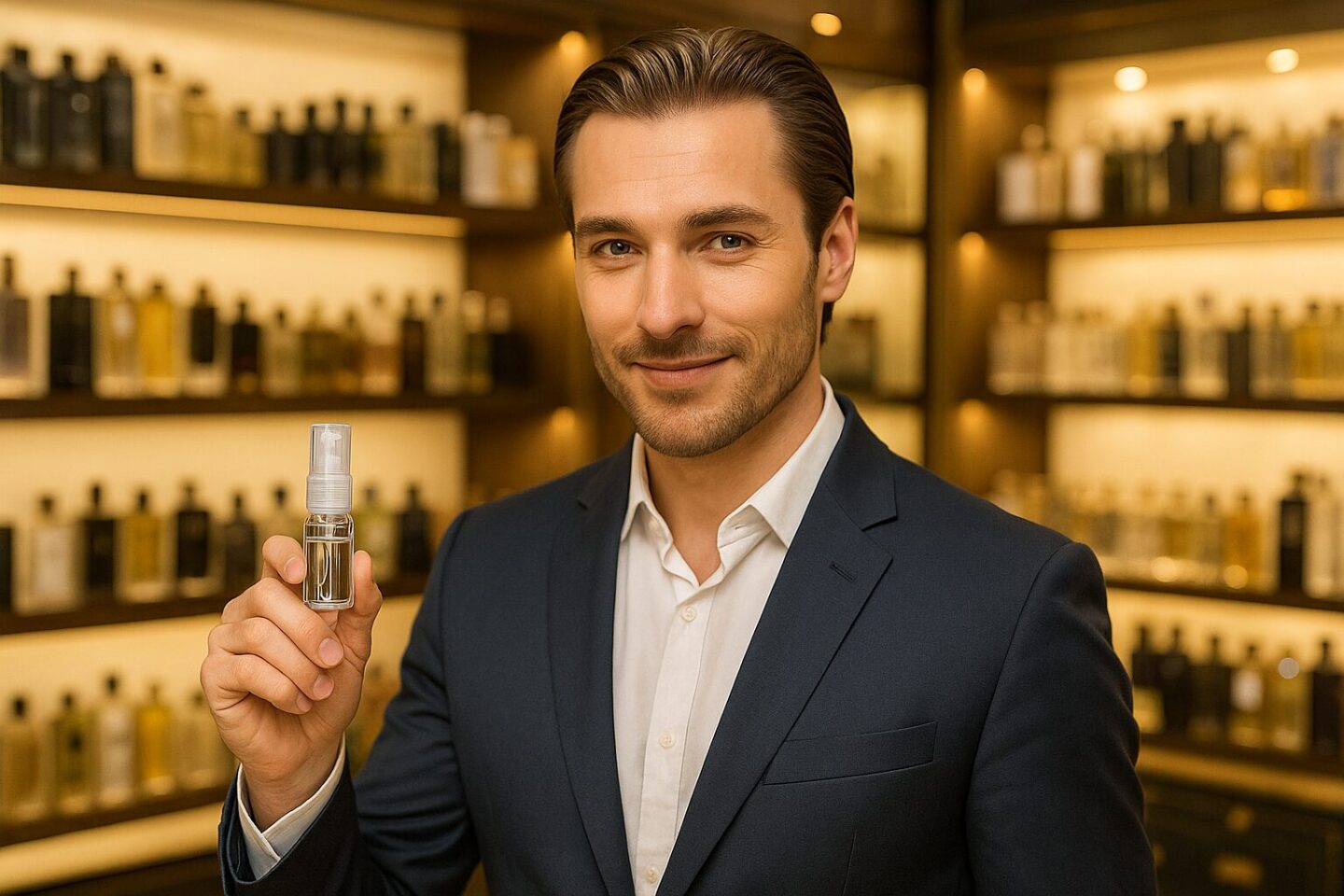

For fragrance enthusiasts, the thrill of a new scent is irresistible. But committing to a full-sized bottle based on a quick spritz in a crowded department store can be a costly mistake. The true secret to building a fragrance collection you truly love lies in the artful use of perfume samples. These small vials are more than just freebies; they are powerful tools for discovery.
This guide will transform you from an impulsive sniffer into a savvy scent connoisseur. Let’s embark on a journey to master the world of perfume sampling.
Why Perfume Samples Are a Scent Lover’s Best Friend
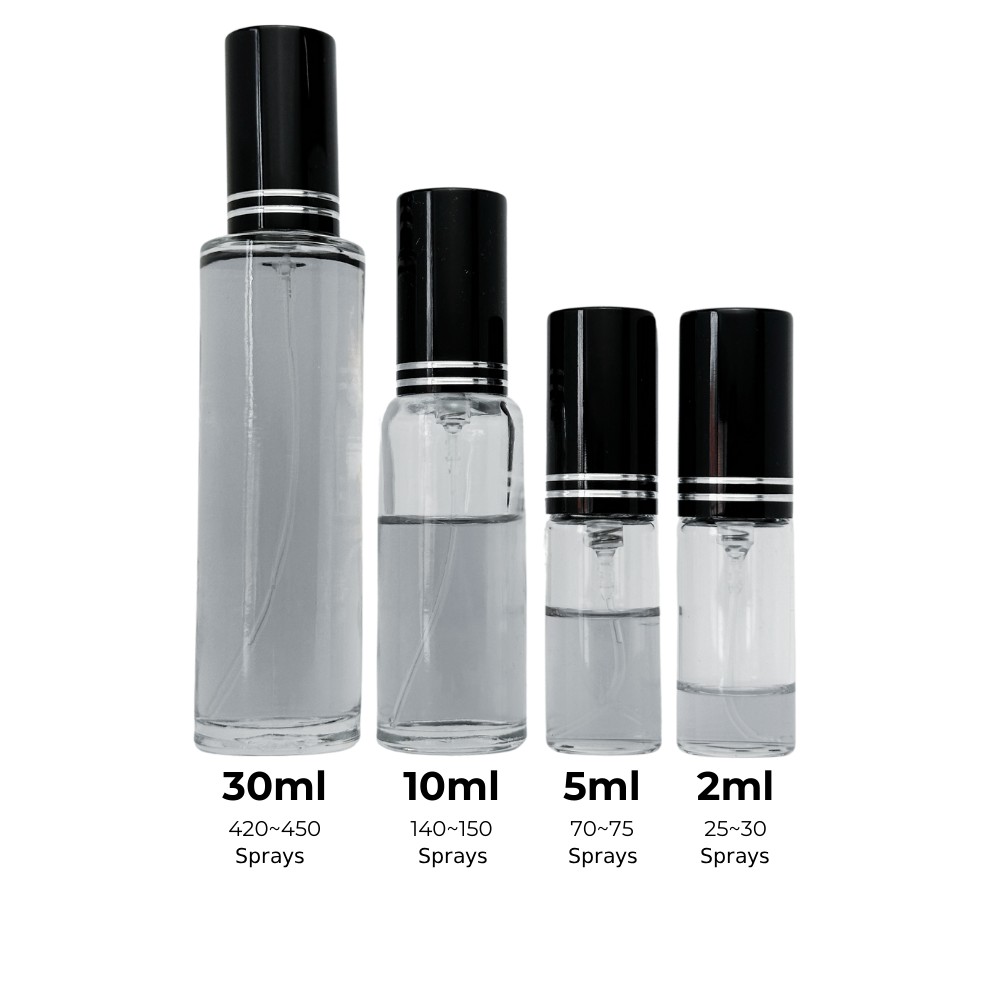
Perfume samples, typically ranging from 1ml to 2ml, are your passport to exploring fragrances without financial commitment . They offer a risk-free way to experience how a scent evolves on your skin over hours, not just seconds. Their compact size makes them perfect for travel, allowing you to carry your favorite scents anywhere . Sampling is not only economical but also eco-conscious, helping you avoid the disappointment of a full bottle that gathers dust on your shelf .
Your Step-by-Step Guide to Testing Perfume Samples Like a Pro
Testing a fragrance properly is a science. Rushing the process can lead to olfactory overload and poor decisions. Follow these steps to ensure you give every sample a fair chance.
1. Start with Your Skin, Not Just Paper
While paper blotters (or scent strips) are great for getting a first impression, they don’t tell the whole story . The true character of a perfume is revealed only when it interacts with your unique skin chemistry . Apply a small amount to your pulse points—like your wrists or inner elbows—where the natural warmth of your body will help the fragrance develop .
2. Allow the Fragrance to Tell Its Story
A quality perfume is like a story with a beginning, middle, and end. It unfolds in three distinct phases:
- Top Notes: The initial, fleeting impression that lasts for about 15 minutes.
- Heart Notes: The core character of the fragrance that emerges after the top notes fade.
- Base Notes: The deep, long-lasting foundation that remains for hours .
Don’t judge a scent by its top notes alone. Wait several hours to experience the full drydown before making a decision .
3. Practice Smart Sampling Habits
- Limit Your Tests: Your nose can become overwhelmed. To keep your senses sharp, test no more than three fragrances in one session .
- Take Your Time: After applying, go about your day. See how the scent behaves in different environments—at home, outdoors, in the office. A perfume you love in an air-conditioned store might smell different at the end of a busy day .
- Take Notes: Jot down your impressions of each stage. Does it last? How does it make you feel? These notes will be invaluable for identifying patterns in your preferences later .
- Reset Your Nose: If you’re testing multiple scents, sniff coffee beans or the clean skin on your arm between samples to cleanse your olfactory palate .
Beyond the Vial: Understanding Different Types of Samples
The world of sampling offers a few different formats, each with its own advantages:
- Sample Vials (1-2ml): The most common type, perfect for getting several wears to truly test a fragrance .
- Decants (5-15ml): Larger samples decanted from a full bottle, ideal for extended testing or for fragrances that are hard to find .
- Rollerballs: Offer convenient, mess-free application and are great for on-the-go touch-ups .
- Solid Perfumes: A travel-friendly, eco-conscious alternative that is alcohol-free and often has great longevity .
🔥 Veja Também:
- Homem Identidad: A Nova Fragrância da Natura que Celebra a Força da Autenticidade Masculina
- Queen Of Arabia de Lattafa: A Baunilha Aveludada que Conquistou o Mundo
- My Devotion Eau de Parfum Intense: A promessa de amor próprio da Dolce&Gabbana envolta em um frasco rosa
- Perfumes para o Inverno: O Aconchego que Fica na Pele e na Memória
- Perfumes para Home Office: 7 Aromas que Aumentam o Foco e o Bem-estar
Pro Tips for Your Sampling Journey
- Let Samples “Rest” After Shipping: Perfumes can suffer from “mail shock”—being exposed to extreme temperatures during transit. When your samples arrive, let them rest in a cool, dark place for 24-48 hours to allow them to return to their true state .
- Store Them Properly: Keep your samples in a cool, dry place away from direct sunlight to preserve their quality for years .
- Know What to Do with Duds: If you try a sample and don’t love it, don’t just throw it away. They make wonderful gifts for friends or family, or can be used as part of a fragrance swap with other enthusiasts .
From Sample to Signature Scent: Your Path Forward
Perfume sampling is more than a hobby; it’s a journey of self-discovery. It empowers you to make informed choices, deepens your appreciation for the art of perfumery, and ensures that every full bottle you buy is a true love.
By following this guide, you are no longer just buying perfumes—you are curating a personal collection that tells your story. Embrace the adventure, trust your nose, and enjoy every step of the way.
What has been your most surprising discovery through perfume sampling? Share your favorite scent story in the comments below!
Ready to Unlock the Full Story of American Fragrance?
Dive deeper into the scents that define a nation. Explore The Scent Journal — your curated guide to the latest US releases, hidden gems, and the culture of perfume.
Em alta agora