contato@perfumeprosa.com

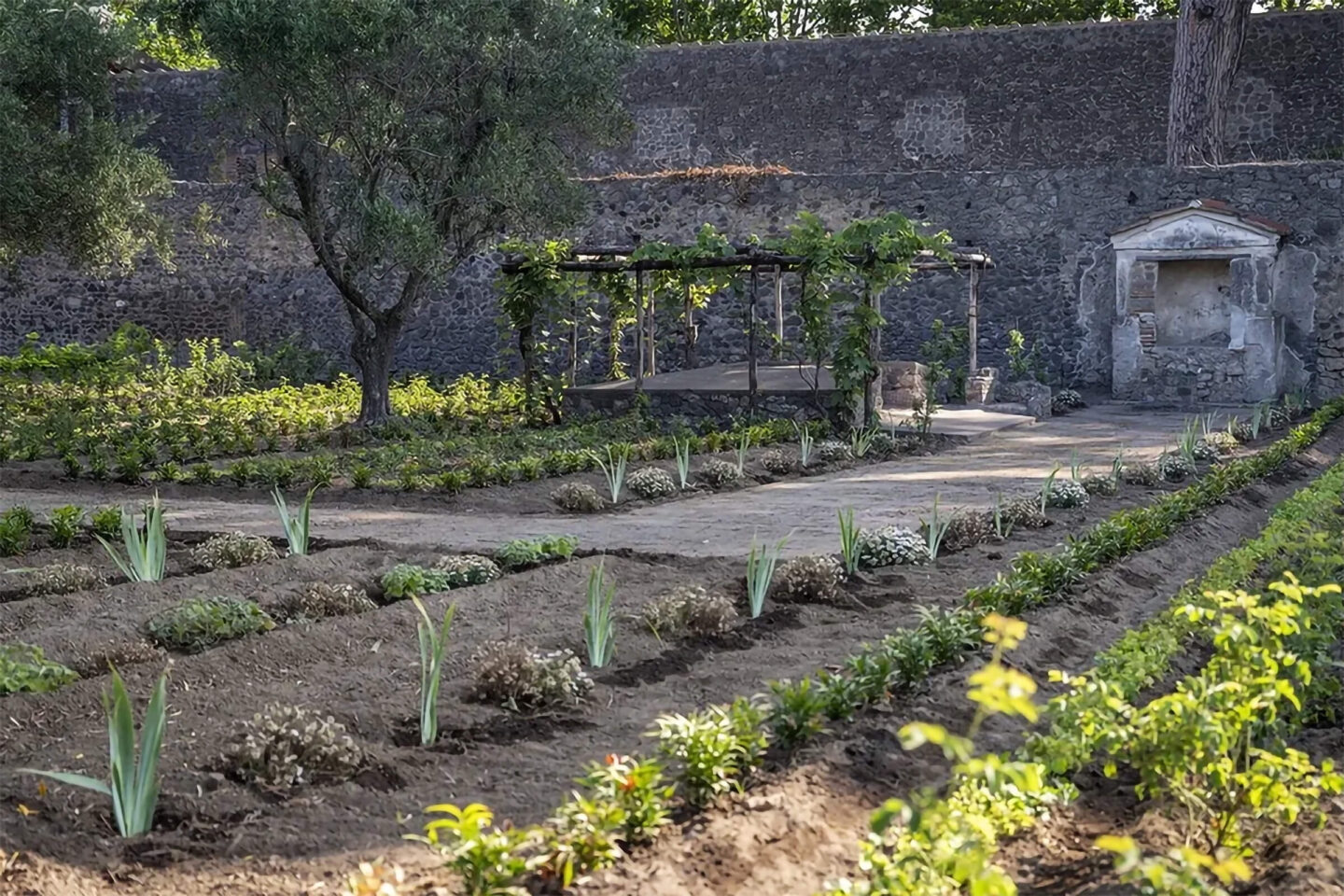

Pompeii’s Perfume Garden Reborn: A 2,000-Year-Old Scent Lab Blooms Again
Picture this: It’s 79 C.E. in Pompeii, and a perfumer is crushing 800 roses into olive oil, bottling a fragrance that’ll last… one week. Fast-forward to 2025, and that exact garden—complete with its sassy “Credit tomorrow” sign—is alive again. Let’s geek out over the Garden of Hercules, where archaeology meets your dream perfume Instagram. Discover how to an ancient Pompeii’s Perfume Garden Reborn.
Why This Garden is a Big Deal
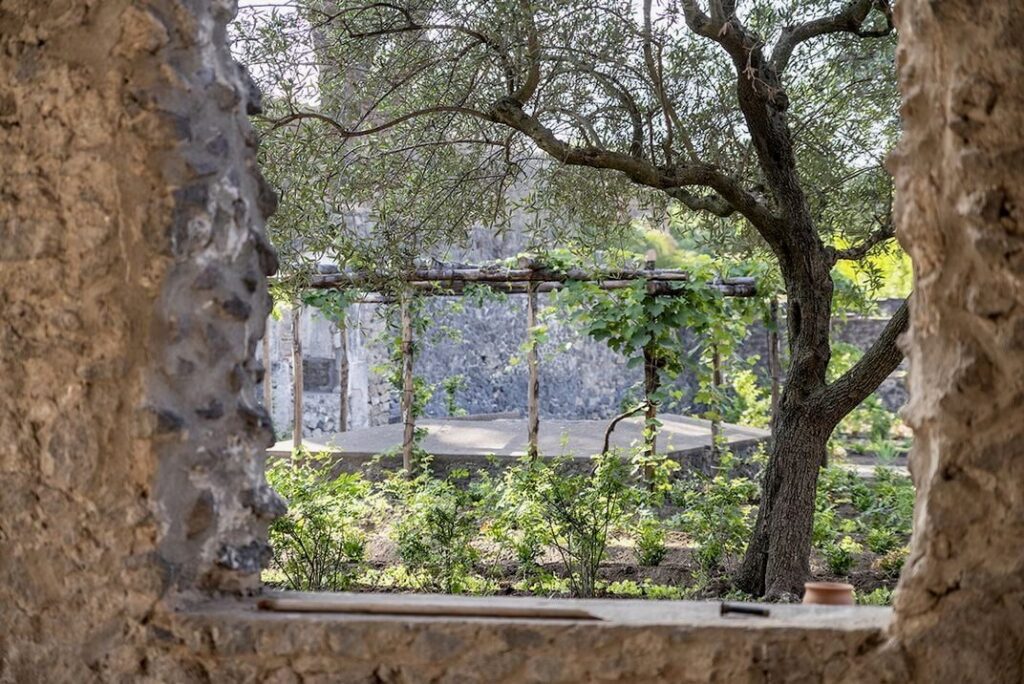
Forget “pretty flowers.” This 30×30 meter plot was a Roman-era scent factory. After Vesuvius buried it, botanist Wilhelmina Jashemski dug up its secrets in the 1950s—pollen, fossils, and even root holes. Now, it’s replanted exactly as it was, down to the 1,000 ruscus plants and cherry trees .
Fun fact: The garden’s nickname—“House of the Perfumer”—comes from glass perfume bottles found onsite. Romans likely mashed flowers with olive oil or grape juice, sold it fast (scents faded quick!), and joked about IOUs at the entrance .
The Plants: A Perfumer’s Shopping List
The rebooted garden is a time capsule of smell:
- 800 antique roses: Each petal hand-pressed for oil.
- 1,200 violets: For sweet, powdery notes.
- Vines, quince trees, and rosemary (because even Romans loved a herbaceous twist) .
Pro tip: Making just 5cc of perfume required 2,000 roses. This was a boutique operation—more “artisan workshop” than Chanel factory .
Roman Engineering Wins (Again)
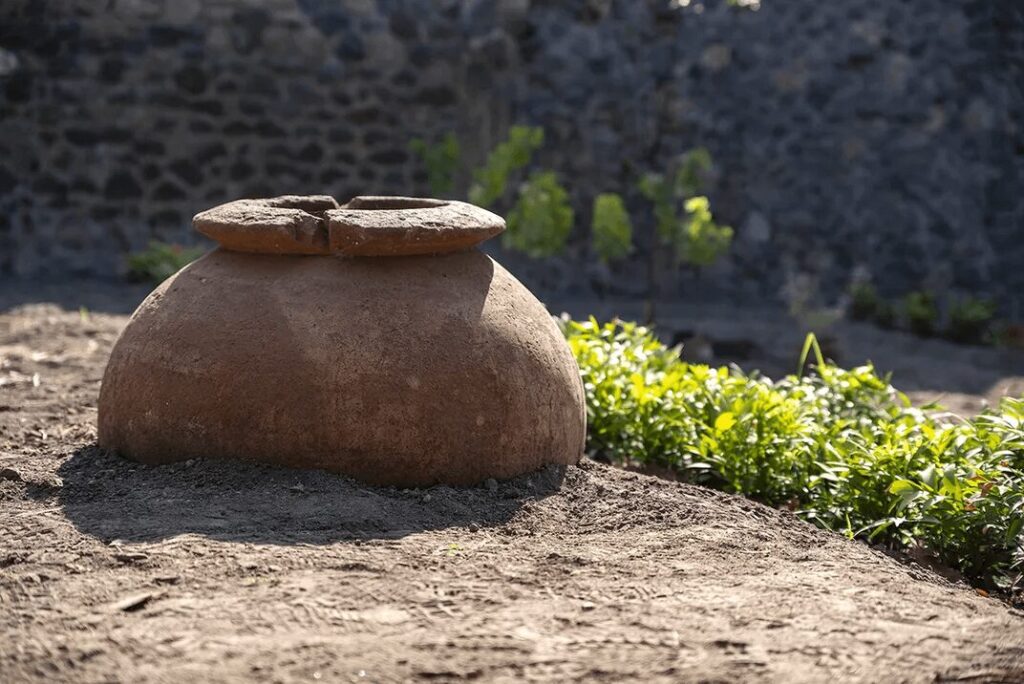
The garden’s irrigation system is wildly clever:
- Hole-in-the-wall tech: Gardeners poured water through a wall slot—no trampling plants.
- Clay dolia pots: Stored water like ancient rain barrels .
Archaeologists rebuilt it all, proving Romans were plant nerds with style .
The Vibe: Credit, Hercules, and Lunch Al Fresco
- “Cras Credo” sign: A cheeky “Credit tomorrow” greeting—Pompeii’s version of “The check’s in the mail” .
- Hercules statue: A terracotta replica chills by the dining alcove. Mythic hero + perfume biz = peak Roman multitasking .
🔥 Veja Também:
- Homem Identidad: A Nova Fragrância da Natura que Celebra a Força da Autenticidade Masculina
- Queen Of Arabia de Lattafa: A Baunilha Aveludada que Conquistou o Mundo
- My Devotion Eau de Parfum Intense: A promessa de amor próprio da Dolce&Gabbana envolta em um frasco rosa
- Perfumes para o Inverno: O Aconchego que Fica na Pele e na Memória
- Perfumes para Home Office: 7 Aromas que Aumentam o Foco e o Bem-estar
Why Visit? (Besides the ‘Gram)
- Open Tuesdays: It’s Pompeii’s “house of the day”—sniff history literally blooming .
- Sensory overload: Imagine rubbing 2,000-year-old rose oil on your wrists (sadly, no touching—but you can pretend).
Local insight: Director Gabriel Zuchtriegel calls this a “natural archaeology” win. The garden wasn’t just decor—it was life .
The Takeaway
This isn’t just a garden. It’s a 2,000-year-old startup where roses met commerce, and water systems were ~aesthetic~. For perfume lovers, it’s proof that scent—like Pompeii—never really dies.
Want more? Check out Pompeii’s official site or our guide to ancient perfume recipes.
Stay Connected to the World of Fragrance!
Love discovering unique scents and the stories behind them? Join our Perfume Prosa Newsletter and be the first to explore the latest trends, expert tips, and exclusive content on the art of perfumery.
✨ Subscribe now and never miss a fragrance discovery! ✨



Em alta agora